Exploring Abstract Visions Through ICM
Meet the creative mind behind these unique abstract photographs.
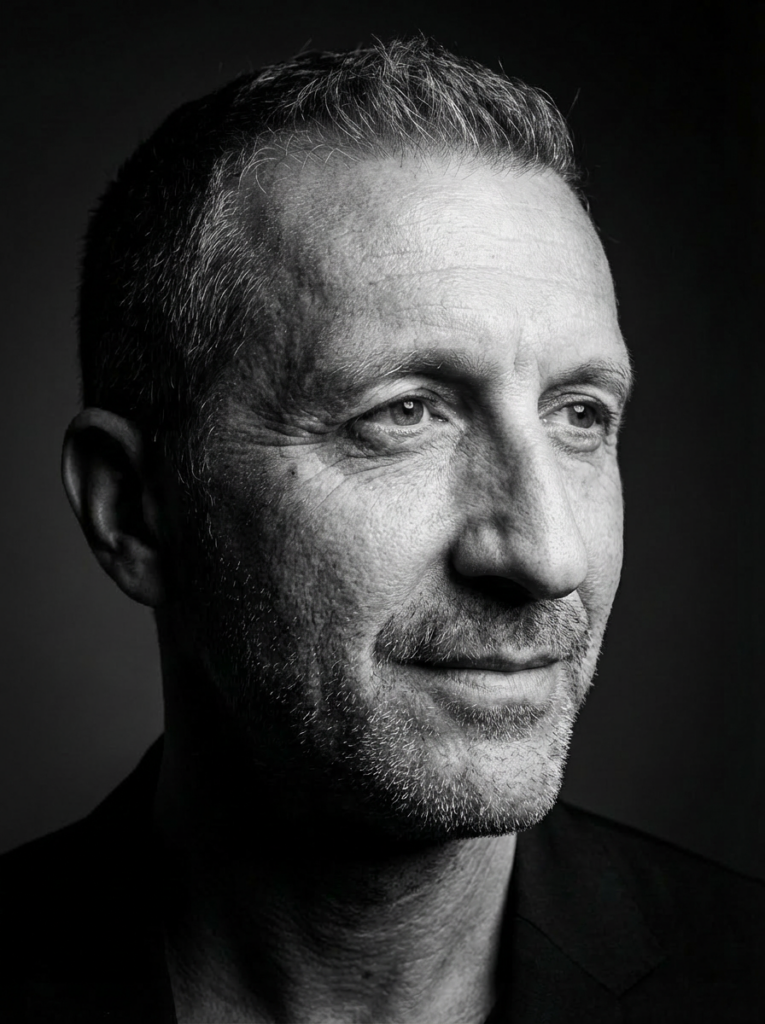
Matt Garcia
Abstract Photographer
Matt crafts striking images using intentional camera movement to evoke emotion and texture, providing a window to a new and unrepeatable view of people, places and objects – exposing the scene unseen.
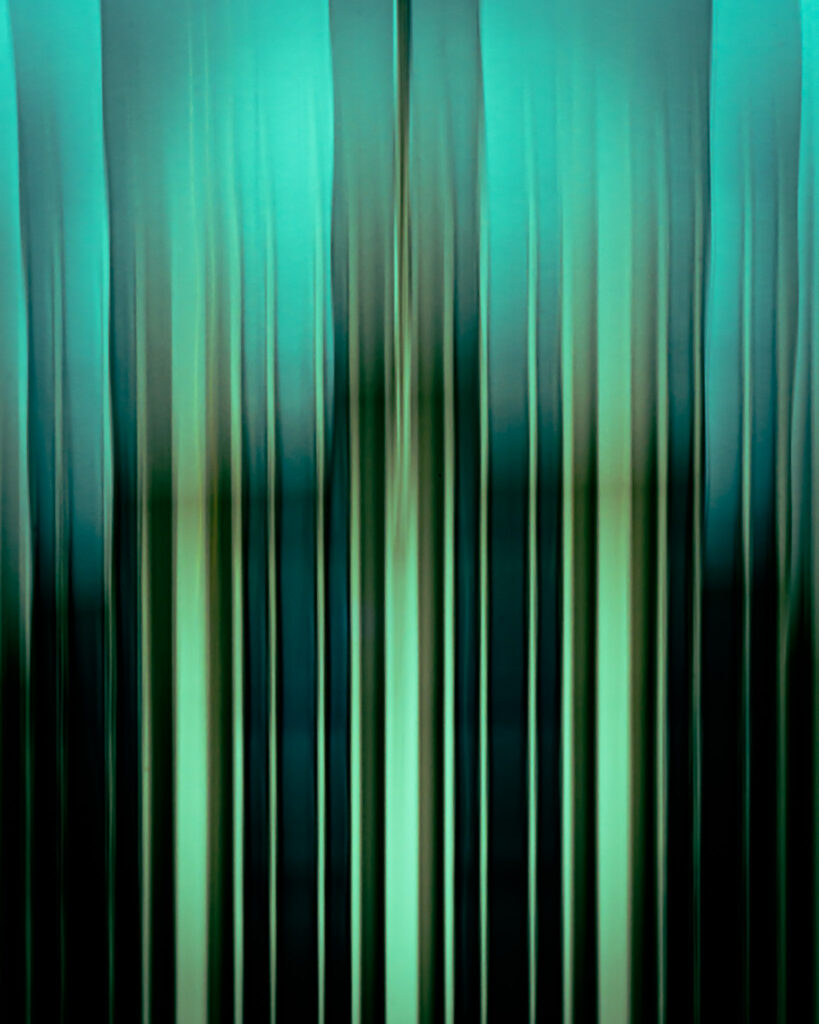
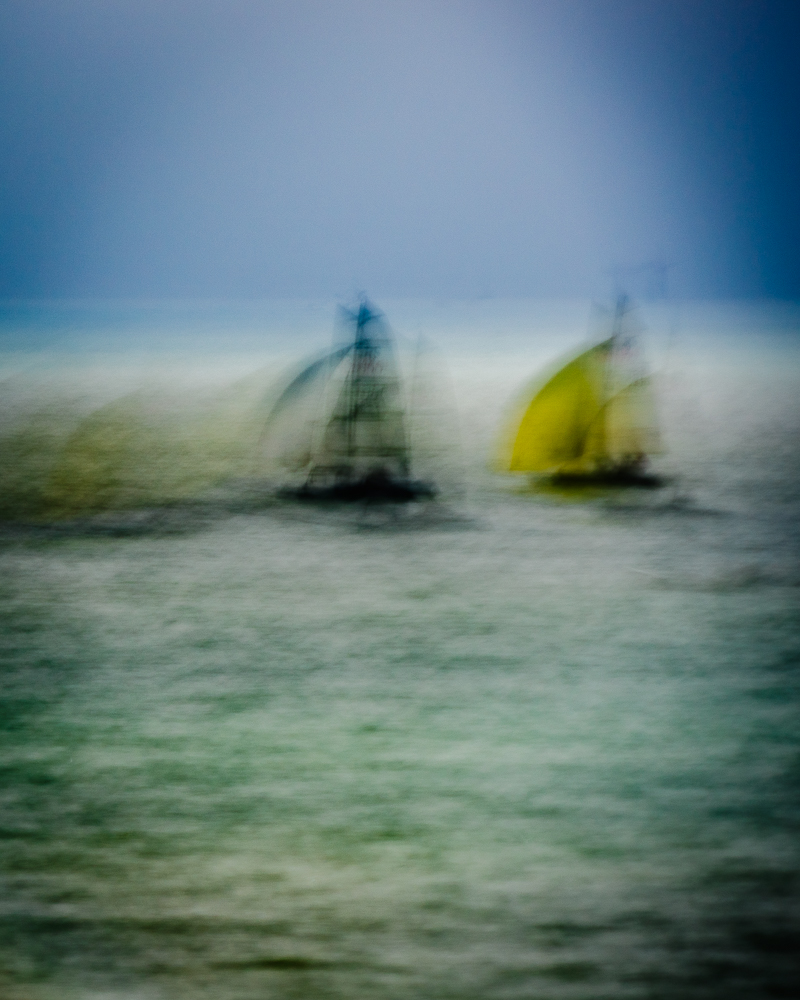
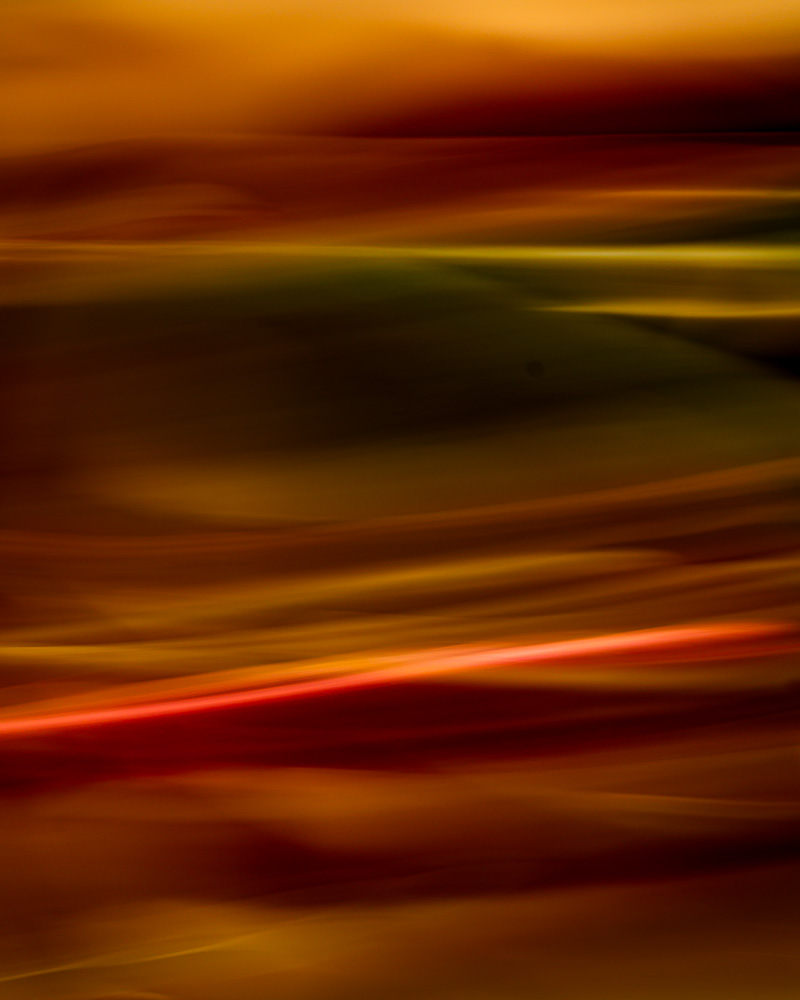
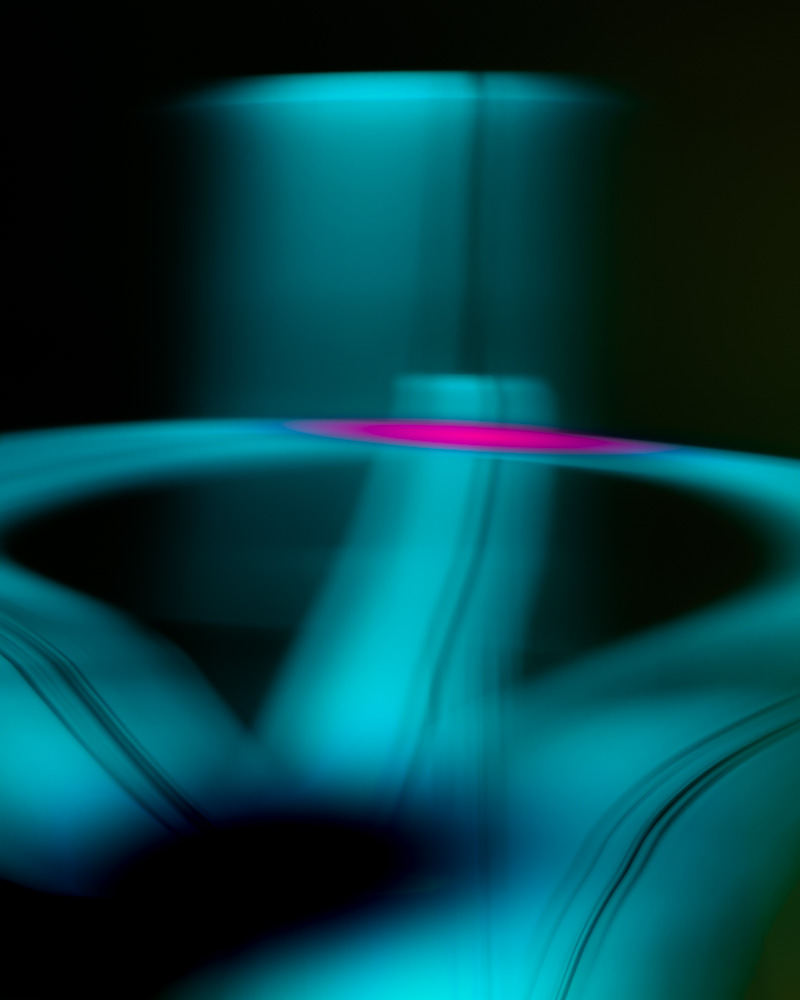
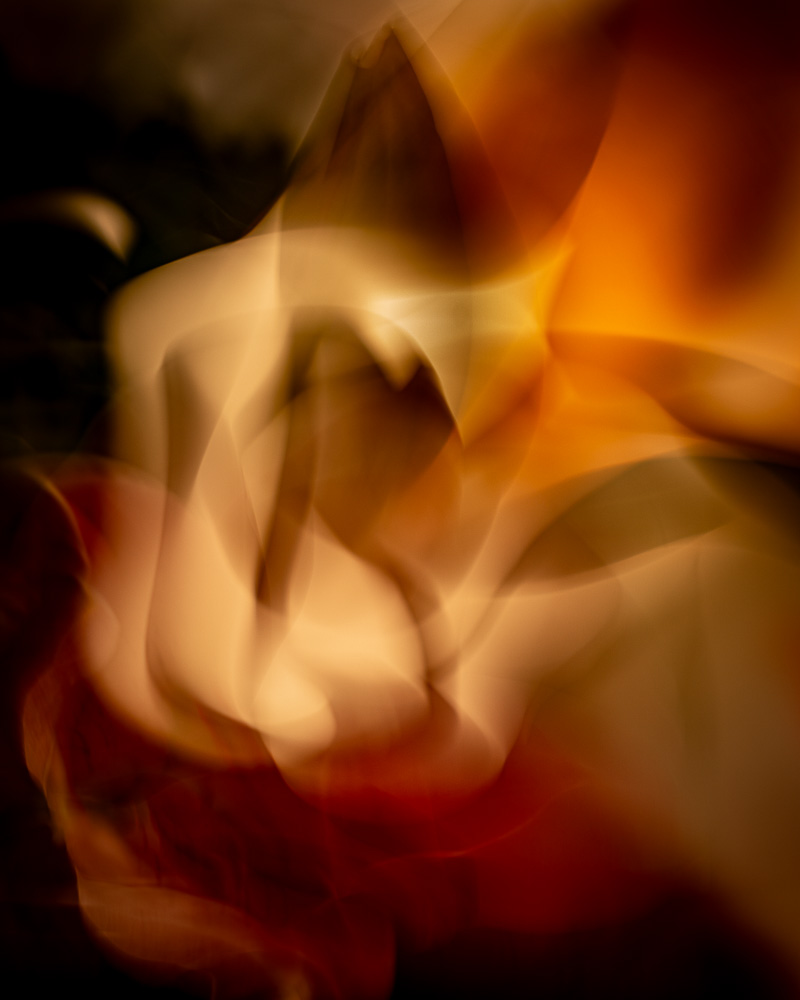
Showcasing a commitment to innovative photography, this collection celebrates abstract imagery created through Intentional Camera Movement (ICM), inviting viewers to experience art that transforms light and motion into captivating abstract images and framed artworks .
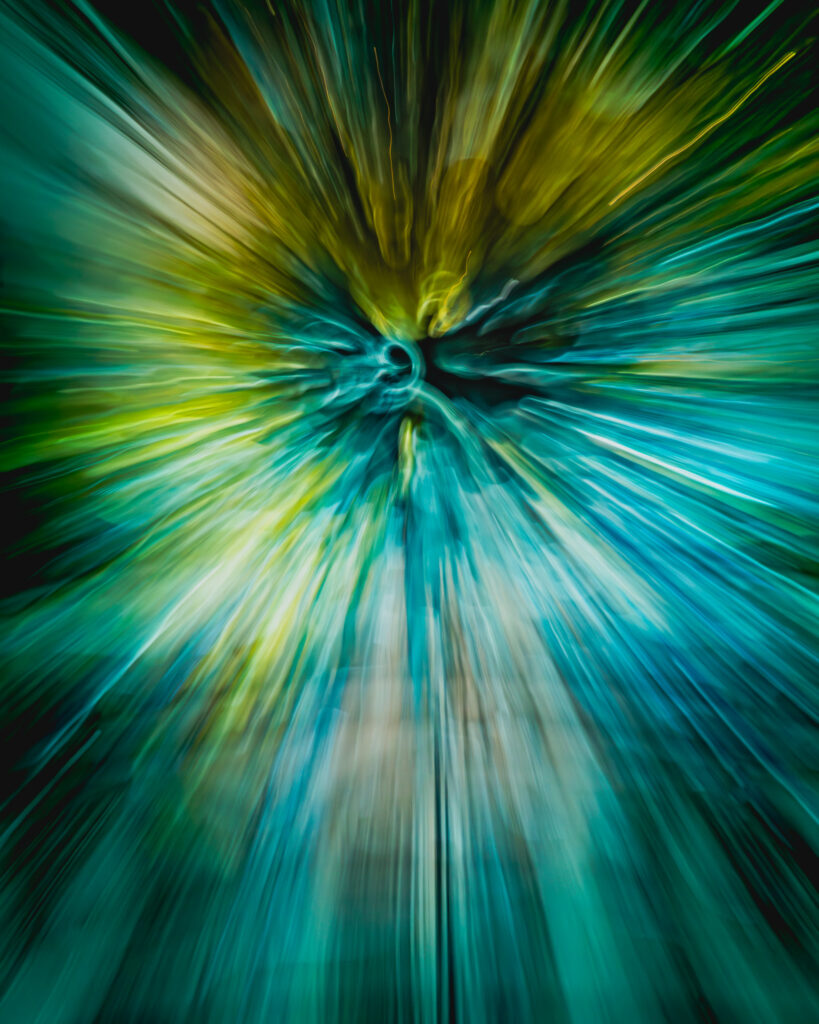
There is a profound truth hidden in the blur of motion: our world exists not in frozen moments, but in the continuous flow of time. Through the art of ICM photography, I seek to capture this essential fluidity of existence, transforming the familiar into contemplative expressions of movement and time.
HOW I APPROACH IT
My photos represent a deliberate departure from photography’s historical pursuit of perfect clarity. Instead, they embrace the creative potential of motion, using the camera as a brush and light as paint. During each exposure, lasting anywhere from a fraction of a second to several heartbeats, the camera moves in carefully choreographed patterns – perhaps tracing the vertical lines of forest trees, following the sweep of a coastline, or dancing with city lights as they pierce the darkness.
What emerges are not mere abstractions, but rather visual meditations on how we truly experience the world around us. Our memories rarely exist as sharp, static images – they flow and blend, colours and shapes merging into emotional impressions that speak to something deeper than mere visual reality. These photographs aim to capture that ephemeral quality of perception, revealing a type of visual poetry hidden within ordinary scenes.
As you move through this exhibition, I invite you to pause before each image, allowing your eyes to trace the paths of motion, to discover the familiar within the abstract, and to experience each scene as a moment extended in time rather than frozen within it. These works challenge us to reconsider not just what photography can be, but how we perceive and remember the world around us.
Welcome to an exploration of time, motion, and the beautiful uncertainty that exists between the moments we think we know.
practical elements
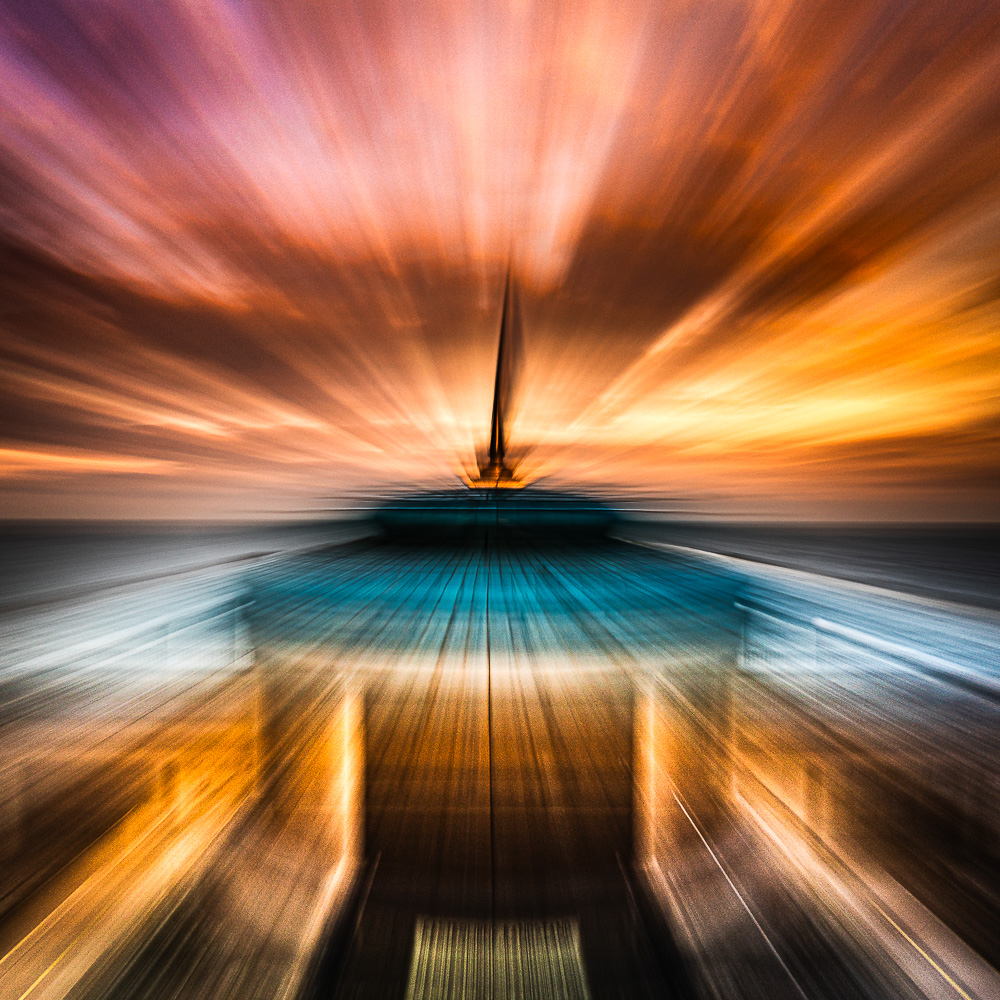
Key to ‘painting with light’ is using slower shutter speeds – typically between 1/10th to several seconds to allow time for the movement to register. The exact speed depends on the effect you’re trying to achieve and the amount/speed of camera movement.
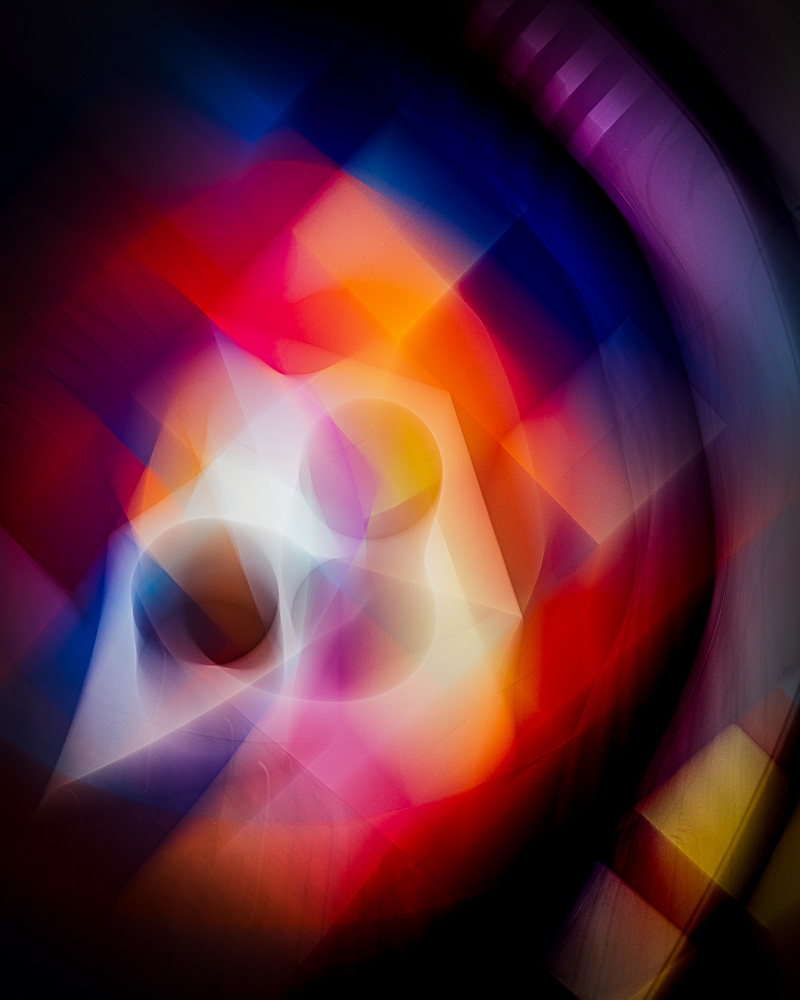
Moving the camera in various ways during exposure – you might pan horizontally or vertically, rotate the camera, zoom during exposure, or move it in a more random pattern. Each movement type creates distinctive effects: vertical movement can create ethereal streaks from trees, horizontal panning can create a sense of motion with moving subjects, and circular movements can create swirling abstract patterns.
The technique works particularly well with high-contrast scenes and bold colours. Common subjects include landscapes (especially forests and coastlines), cityscapes (particularly with lights at night), and natural elements like flowers or water.
What makes ICM particularly interesting is how it transforms ordinary scenes into abstract interpretations that often evoke emotional responses through colour, line, and form rather than literal representation.
I urge you to try it if you’re interested.